
Parenting has always been complex, but in the rapidly changing world of today, the pressures on families are more intense than ever before. From economic strain to the rise of artificial intelligence and the lasting ripple effects of COVID-19, modern parents are navigating uncharted territory. These forces are reshaping the way children are raised and educated, and schools are on the frontline of seeing the impact.
According to Shaun Hansel, Principal of Trinityhouse Little Falls High School, the shifts are unmistakable. “The last decade has accelerated profound changes in how parents approach raising their children,” he explains. “Economic pressures, evolving technology, and changing family dynamics have all contributed to the rise of very different, and sometimes opposing, parenting styles.”
Hansel has observed two dominant approaches emerging across South African families.
The first reflects the pressure many parents face in sustaining careers, affording private education, and maintaining household stability. “This group often places exceptionally high expectations on their children, sometimes pushing them beyond their abilities,” he notes. “It comes from a place of love and fear for the future but can leave children feeling unsupported as parents themselves are stretched thin.”
The second approach leans toward greater collaboration and freedom for children. Parents in this camp allow young people more say in decisions, rules, and boundaries. While this can empower children, Hansel cautions that it can also create vulnerabilities. “In a world where social media and online risks are at every child’s fingertips, stepping back too much can leave them exposed when they most need guidance.”
Labels such as helicopter parenting, gentle parenting, and free-range parenting are gaining recognition in South Africa, but Hansel believes they are often shaped more by context than philosophy. Older parents tend to hover protectively, while younger ones embrace empathy-driven gentle parenting. Full-time working parents, by necessity, may lean towards free-range approaches.
“Personal circumstances, workload, financial security, and even generational outlook, are powerful determinants of style,” Hansel says.
The influence of parenting approaches extends directly into the classroom. Helicopter parenting, while well-intentioned, often leaves children less resilient, with limited capacity to learn from mistakes. Free-range parenting, meanwhile, can sometimes weaken academic engagement.
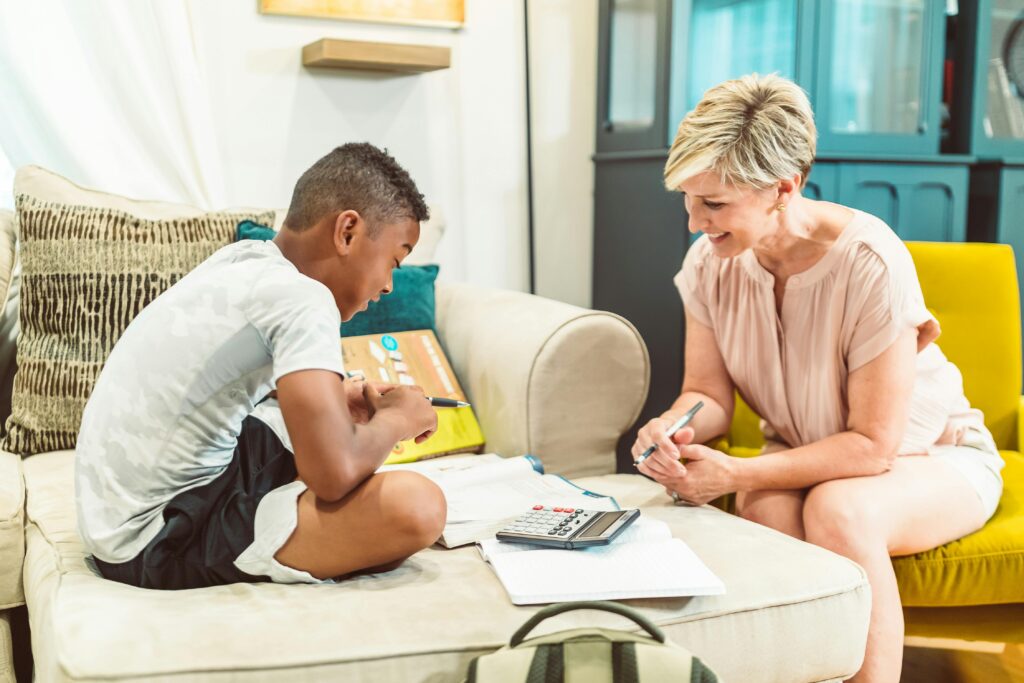
“We see the best outcomes in students whose parents remain actively engaged with their schooling,” Hansel explains. “Those children feel supported both academically and emotionally as well as are better equipped to cope with the demands of modern education.”
One of the biggest generational changes Hansel has seen is how parents interact with schools. “Parents are busier than ever, and often too overwhelmed to actively seek engagement,” he observes. “This means schools need to be proactive in communication, making sure parents remain connected to their child’s academic journey.”
Improved communication strategies, from assessment calendars to parent workshops, are becoming vital tools in bridging this gap and aligning expectations between home and school.
Today’s parents feel the stakes are higher than ever. With careers evolving rapidly and industries becoming redundant, decisions about subject choices and tertiary studies are viewed with heightened anxiety. Children, in turn, absorb this pressure.
“Stress at home often walks through the school gate with a child,” Hansel says. “We see how parental anxiety, work-life balance, and financial struggles directly influence emotional readiness and academic engagement.”
Rather than endorsing a single “perfect” parenting style, Hansel advocates adaptability. “Parenting calls on us to be disciplinarians at times, comforters at others. A balanced approach that adapts to context, while maintaining consistent love, support, and kindness, tends to yield the best results.”
He emphasises the importance of resilience and self-regulation, skills that children often lack when given too much freedom or when overly protected. “What we are trying to instil in our students, and encourage in parents, is grit. The world they are stepping into demands resilience.”
Schools are responding to these challenges with resources such as counselling, guest speakers, and even innovative approaches like shared book reviews with parents. These initiatives aim to equip parents with tools while reinforcing the idea that schools and families are partners in preparing children for life.
Hansel concludes: “Parenting styles may differ, but the goal is the same: raising capable, confident young people who can face the future with courage. The responsibility lies with both home and school to provide a consistent, supportive environment where every child feels valued and equipped to thrive.”