
 Sandton Lifestyle Team
Monthly Digital Cover


How Tribute To Women Is Building A Cultural Brand Beyond The Stage
The Johannesburg festival is combining major live entertainment with partnerships, enterprise opportunities and a long-term vision for the creative economy.
A successful festival can be measured by the crowd in front of the stage. Its wider value, though, is found in the ecosystem behind it: the artists, suppliers, traders, production professionals, sponsors and cultural organisations whose work turns a single day into economic activity.
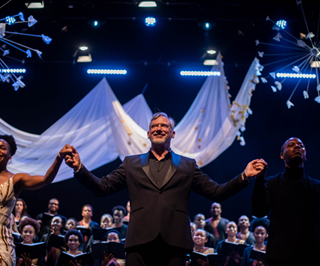
That wider view has shaped Tribute To Women, which returns to Mark’s Park in Emmarentia on Saturday, 29 August, with performances by Msaki, Sjava, Mafikizolo, Nomfundo Moh and Busiswa.
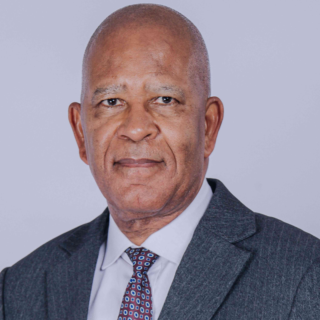
Dr Criselda Kananda, the festival’s Ambassador and Chairperson of the Malibongwe Arts Festival Foundation, said the brand was built around an accessible, high-quality cultural platform that places women’s stories, community and economic opportunity at its centre.

“We prioritise consistent curation, authentic purpose over spectacle, and programming that balances legacy and innovation,” she said.
“By centring artists, vendors and audiences, and by listening closely to their feedback, we’ve built a trusted brand that honours history while creating joyful, relevant cultural experiences.”
This year’s edition coincides with the 70th anniversary of the 1956 Women’s March. The milestone gives the programme a strong heritage focus, but the event is also looking at the future of women in the arts.
Women-led stalls, creative suppliers, mentorship touchpoints and business-of-arts activities are part of an approach that views cultural celebration and commercial development as connected.
The festival’s local economic impact includes income for vendors and suppliers, opportunities for artists, and work across technical production, logistics, hospitality and event services. High-profile programming can also attract media attention, visitors and investment to Johannesburg’s creative sector.
“Our workshops and mentorships build skills and business literacy for emerging artists, helping them professionalise and access wider markets,” Kananda said.
“Festival visibility also attracts media, tourism and investment into the cultural sector, all of which translate into jobs, industry growth and stronger creative ecosystems across Gauteng.”
Partnerships are central to sustaining that model. Government, corporate supporters, cultural institutions, collecting bodies, community organisations, media and audiences contribute different forms of funding, reach and credibility.
Kananda said these relationships help cover artist fees and support workshops, market opportunities and interventions for creatives in need.
The relationship with audiences matters just as much. By listening to loyal festivalgoers, organisers can build a programme that remains relevant and community-led. The 2026 line-up, spanning established icons and contemporary stars, reflects that cross-generational approach.
The longer-term ambition is for Malibongwe to grow beyond a once-a-year event. Kananda envisions a multi-platform cultural institution with year-round programming, touring showcases, community hubs, mentorship and incubation programmes for women creatives.
“I want it to be a sustainable engine for cultural preservation, economic empowerment and leadership development, amplifying South African voices locally and internationally while remaining rooted in community impact,” she said.
Gates open at 11:00 and the event ends at 19:00. Children under five enter free.
The 2026 festival will test its ability to deliver both a memorable public celebration and lasting value behind the scenes. If that balance holds, Tribute To Women’s most important growth may not be the size of its stage, but the strength of the creative network developing around it.
Website: [https://www.tributetowomen.co.za](https://www.tributetowomen.co.za)
 Sandton Lifestyle Team