
 Sandton Lifestyle Team


Monthly Digital Cover


Understanding Difference is a Lesson for Life
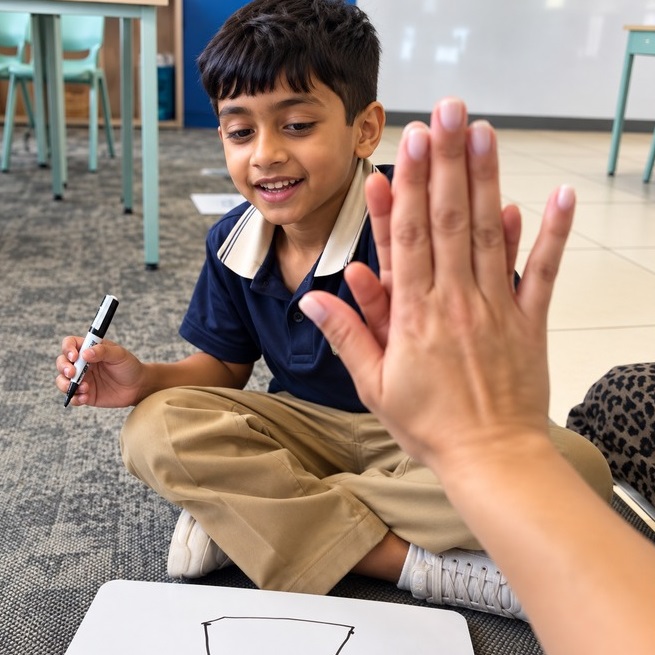
World Kindness Day highlights why curiosity, compassion and intentional teaching are essential to creating classrooms where every child feels valued.
Teaching children to understand and value difference helps build school communities where neurodivergent students can participate meaningfully and experience a true sense of belonging.
A child walks away from a noisy game. Another covers their ears during assembly. A third needs longer to answer a question. Before labelling these responses as rude or unfriendly, adults and children need to consider what that child might be experiencing.
This World Kindness Day, on 13 November, The Bridge Schools is highlighting why kindness must be taught intentionally, through understanding individual needs, recognising strengths and creating opportunities for every child to belong.

Tash Munisamy, Head of Therapy at The Bridge School Morningside, believes kindness begins when assumptions give way to curiosity.
“We often expect children to be kind and inclusive, but we don’t always teach them what that looks like. Children need opportunities to understand that not everyone experiences the world in the same way. When we replace assumptions with curiosity, we create opportunities for genuine connection.”
Understanding behaviour as communication
Behaviour can communicate something a child cannot easily explain. Sensory overload, anxiety, difficulty processing information or an unmet need may underline an interaction that others misunderstand.
Neurodivergent children have individual experiences. A quieter space, clearer instructions or additional processing time may help a student participate. Asking what support is needed offers a starting point than assuming unwillingness.
“Sometimes the kindest thing we can do is pause before we judge,” says Munisamy.
Teaching kindness through everyday practice
Empathy and inclusion need to be modelled, explained and practised. Children cannot be expected to understand unfamiliar experiences without opportunities to learn about them.
Parents and teachers can use stories, conversations and role play to explore different perspectives. Practical examples include explaining a game’s rules, offering an invitation without pressure and respecting someone’s request for space.
Children also need to recognise their own boundaries. Saying no to a hug or asking for a break can sit alongside caring about others.
Creating a place to belong
Meaningful inclusion involves more than sharing a classroom or receiving an invitation. Children need opportunities to contribute in ways that respect their communication, interests and abilities.
A strengths-based approach recognises each student’s ideas, talents and perspectives, rather than defining them through difficulties. A child’s enthusiasm for a subject, creative approach or attention to detail can enrich learning.
“Belonging happens when children feel accepted without having to hide their differences,” says Munisamy.
Keeping compassion and accountability together
Understanding a child’s needs does not remove boundaries. Hurtful actions still need addressing, alongside support to understand their impact, repair relationships and practise different responses.
“Understanding a child’s needs does not mean removing expectations or boundaries. It means understanding what support they need to meet those expectations,” Munisamy explains.
Adults demonstrate this balance when they respond calmly, protect everyone’s dignity and help children learn from mistakes.
The Bridge Schools’ message is that kindness means helping children understand and value difference. Its impact depends on choices: listening before judging, adapting opportunities and noticing what each child contributes.
A culture of belonging grows when these choices become routine, making respect something children experience throughout the school day and carry into the world.
 Sandton Lifestyle Team